
Death Toll From Deadly Meningitis Highlighted In New Report
The death toll from meningitis in the UK has been highlighted in a new report which sets out the impact of the deadly infection around the world.
Global figures show there were 259,000 deaths from meningitis in 2023 and 2.54 million cases.
The Lancet Neurology report also shows the burden of the disease in the UK.
There were 5,150 cases in the UK in 2023.
These were linked to the deaths of 159 people, including 84 men or boys and 75 women or girls.
Researchers, led by academics from the University of Washington in the US, said a “substantial meningitis burden persists”.
The World Health Organisation has set a goal to reduce the global incidence of vaccine-preventable bacterial meningitis by 50% and deaths by 70% by 2030 compared to 2015.
The new report says that while global deaths and cases have declined since 1990, progress is still “insufficient” to meet this aim.
“Although there have been substantial improvements in reducing the morbidity and mortality of meningitis, the pace of progress is not currently on track to meet these goals by 2030,” experts said.
“Continued efforts focused on vaccination, antibiotic stewardship and advances in treatment access and equity can promote the continued prevention of disability and deaths due to meningitis.”
Dr Tom Nutt, chief executive of Meningitis Now, said: “These findings are a stark reminder that meningitis remains a devastating global disease.
“While progress over recent decades shows the power of vaccination to save lives, this data from The Lancet makes it clear that we are not moving fast enough to meet the World Health Organisation’s targets to defeat meningitis by 2030.
“The data should act as a wake-up call. Governments, health systems and communities must work together to prioritise vaccination, improve early diagnosis and ensure rapid access to treatment.
“Vaccines are one of the most effective tools we have to prevent meningitis, yet uptake and access remain inconsistent across the world – and there is more we must do here in the UK too.
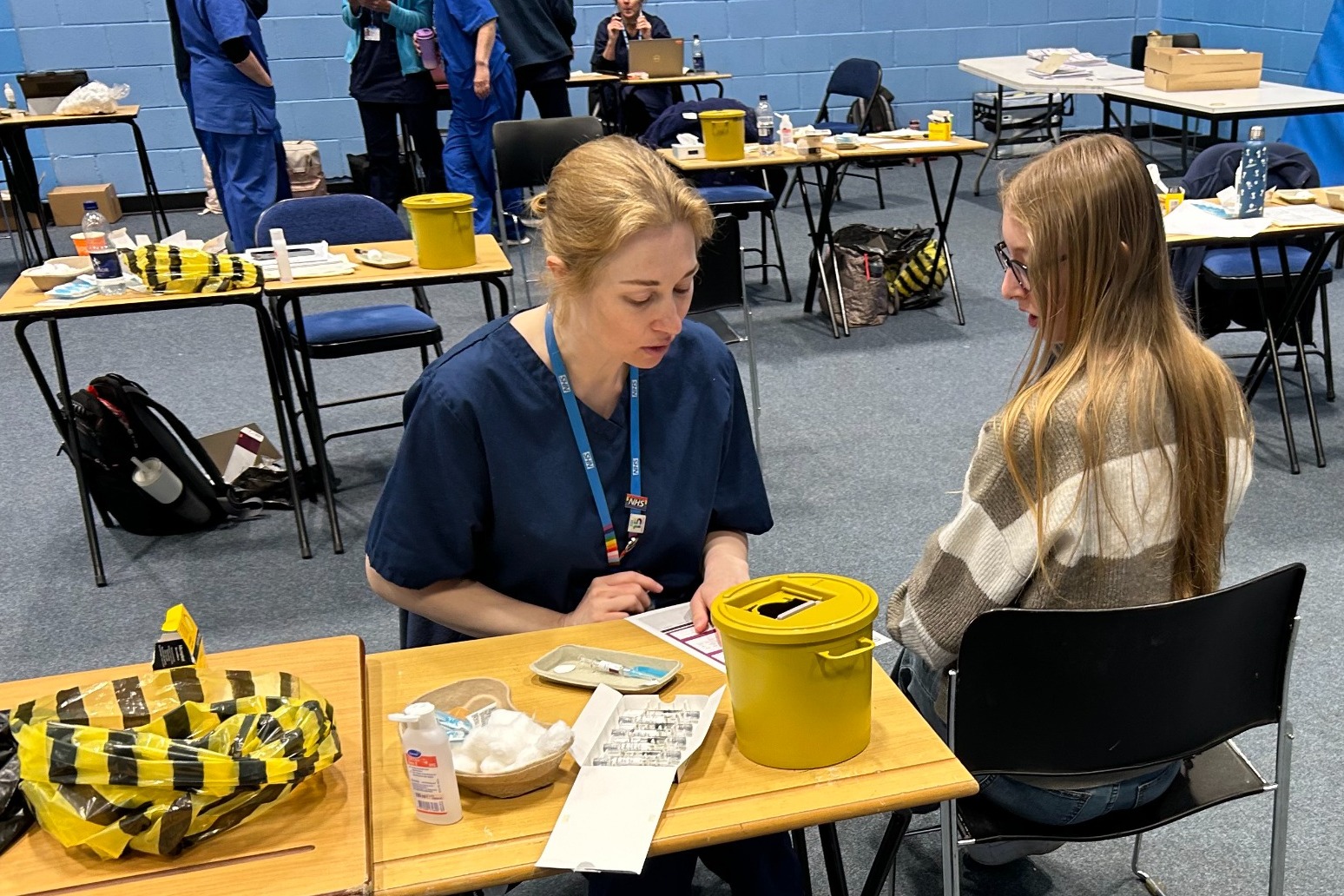
“The recent outbreak of meningitis in Kent shows how even the UK’s world-leading vaccination programme has gaps that leave many people, especially teenagers and young adults, at risk of the devastation that meningitis can cause.
“At Meningitis Now, our ‘No Plan B for MenB’ campaign calls for greater access to menB vaccination, especially for adolescents who remain at risk. Improving awareness and uptake of existing vaccines, alongside expanding eligibility where needed, will be critical if we are to prevent avoidable illness.
“The evidence is clear – vaccines save lives.”
Dr Shamez Ladhani, consultant epidemiologist at the UK Health Security Agency (UKHSA), said: “Meningitis remains one of the most feared infectious diseases for clinicians and families, and this research is a stark reminder of why the global fight against it must continue with urgency.
“Vaccines have transformed our ability to protect people from bacterial meningitis, and the UK has invested significantly in immunisation programmes for those at highest risk.
“We continue to work with the NHS and partners to increase uptake across all age groups to ensure more people benefit from the protection these vaccines offer.
“Achieving the WHO’s ‘Defeating Meningitis by 2030’ goals will require continued collaboration – expanding vaccination, strengthening diagnostics, and ensuring that wherever gaps exist, we work to close them.
“That commitment drives our ongoing efforts both at home and internationally.”
The figures come after a deadly outbreak of the disease in Kent.
Two students have died in the meningitis outbreak – 18-year-old Juliette Kenny, who was described by her family as “fit, healthy and strong” before her death, and a University of Kent student.
As of 12.30pm on Tuesday, 20 laboratory cases had been confirmed, with a further two under investigation, bringing the total to 22, according to the UKHSA.
Since mid-March, the UKHSA posted daily updates about the outbreak.
Officials have now said updates will only be posted on Tuesdays and Thursdays after there were “no new cases reported in recent days”.
Health Secretary Wes Streeting claimed on Wednesday that “we’re not out of the woods yet” after he said that cases are expected to emerge in other parts of the country, as they would in a normal year, but lab testing will take place in every case to assess whether it is linked to the Canterbury outbreak.
Published: by Radio NewsHub