
Lack of interest from social homes providers blamed by West Berks developers
Options to increase the amount of affordable housing being built are being put to West Berkshire Council.
The proposals, discussed by council tonight (Tuesday) will impact upon the council’s commitment to deliver around 1,000 homes by 2030.
But the move follows repeated problems faced by developers who claim they can’t deliver on social housing promises.

Developers can use viability assessments to argue that building affordable homes could reduce their profits below competitive levels, which they define as around 20 per cent. This gives them a legal right to cut their affordable housing quota.
If alternative options are not pursued, the council says that there is a risk that sites will not contribute towards achieving the affordable housing targets which have been set – due to ongoing viability challenges from both developers and registered providers.
Home builders are finding it increasingly difficult to fulfil their affordable housing requirements due to a lack of bids from registered providers who are, instead, focusing their financial resources on improving and retrofitting their existing stock to meet new homes standards, energy efficiency targets and regulatory requirements.
This, says the council, has become particularly apparent in West Berkshire over the past 12 to 18 months, where numerous approved development schemes have requested variations to agreements to address this.
Registered providers are also increasingly unable to agree to the specification of units with developers as they seek to future proof their acquisitions in anticipation of building regulation changes – meaning they are only looking for properties that exceed current standards.
This recently occurred at the David Wilson-developed scheme in Speen where the planning permission was secured several years earlier and did not require some of the sustainable design and construction methods (such as heat pumps) that registered providers now require. It also remains an issue on the final phase at the Newbury Racecourse site, but the developer has instead adapted the offer.
A spokesperson for David Wilson Homes Southern said: “We are pleased to offer affordable home ownership at Lapwing Green and we hope to bring the same opportunities to The Chase at Newbury Racecourse. Known as First Homes, these properties are available for local people with a significant discount and will remain affordable in perpetuity.
“While we work closely with local registered providers and have built significant numbers of affordable homes in the area over the years, unfortunately there were no viable offers for the affordable housing outlined in the initial planning agreement at these developments.
“This is why we worked with West Berkshire Council to offer a popular and affordable route into homeownership through the First Homes scheme instead, and we look forward to seeing families move into these properties in the coming months.”
Back in 2014, the developers of Parkway in Newbury were prevented from selling more luxury flats for not fulfilling the social housing quota.

A proposal is on the table to use cash received to support registered provider-led schemes to deliver additional social rented homes as the district tries to stem the tide of developers backing out of or trying to adjust planning applications.
The West Berkshire Local Plan identifies a need of 330 dwellings a year of affordable homes over the plan period to 2039.
The council says without a flexible approach there is more likelihood that development could stall, be delayed or developers may seek to demonstrate a scheme is not viable to deliver affordable housing.
One of the emerging ideas – which also works in a larger or reorganised local authority level, such as Ridgeway, where West Berkshire joins with South Oxfordshire and Vale of White Horse in the local government review – is a type of framework agreement between local authorities and registered providers across a wider geography to influence the delivery of affordable housing through the Berkshire Prosperity Board.
Another is to review the council’s approach to accepting commuted sums on schemes where viability is an issue and utilising sums received to support registered provider-led schemes to deliver additional social rented homes.
However, the flexibility results in increased risk that the resulting provision may not fully accord with planning policy, may result in a reduced amount of social-rented development in the short term and a reduced amount of shared-ownership housing available in perpetuity.
The policy in West Berkshire currently is that on development sites of 10 dwellings or more there should be 30 per cent provision, and on previously developed land and 40 per cent on greenfield land.
It also states the council will expect forms of affordable home ownership dwellings to remain affordable in perpetuity so as to meet the needs of both current and future occupier. This is the route taken by David Wilson Homes in Newbury.
West Berkshire Council officers have explored setting up a housing company in recent years.
In 2020/21 a feasibility study assessed whether the council should set up a housing company to purchase homes for market rent and social rent purposes.
A decision was taken not to proceed with this model due to the rising property costs, high cost of establishing the company, increased borrowing costs and overall low rate of return to investment.
That idea got the kybosh after neighbouring Reading Borough Council closed down its wholly owned housing company Homes for Reading, because it didn’t stack up financially.
There are examples of how framework agreements across a wider geographic region can help facilitate affordable housing delivery.
For example, the West of England Combined Authority framework brings partners from the mayoral authority, local authorities and registered providers together, to facilitate the development of affordable housing and other related projects in the region.
A Berkshire-wide Prosperity Board has been developing strategic partnerships with key stakeholders including Homes England, MPs, registered providers, and the health sector – perhaps in a preamble to any mayoral authority being set up for the Thames Valley.
The council recently met with Newbury MP Lee Dillon to request a meeting with the Housing Minister for a brainstorm on some of the ideas – including a system change to review acceptable profits from development.
Officers agreed to draft a letter for Mr Dillon to send to Sovereign Housing, his old boss, as leading provider in the area, challenging the lack of new sites in West Berkshire.
Sovereign is committed to existing stock but not developing its presence in the area.

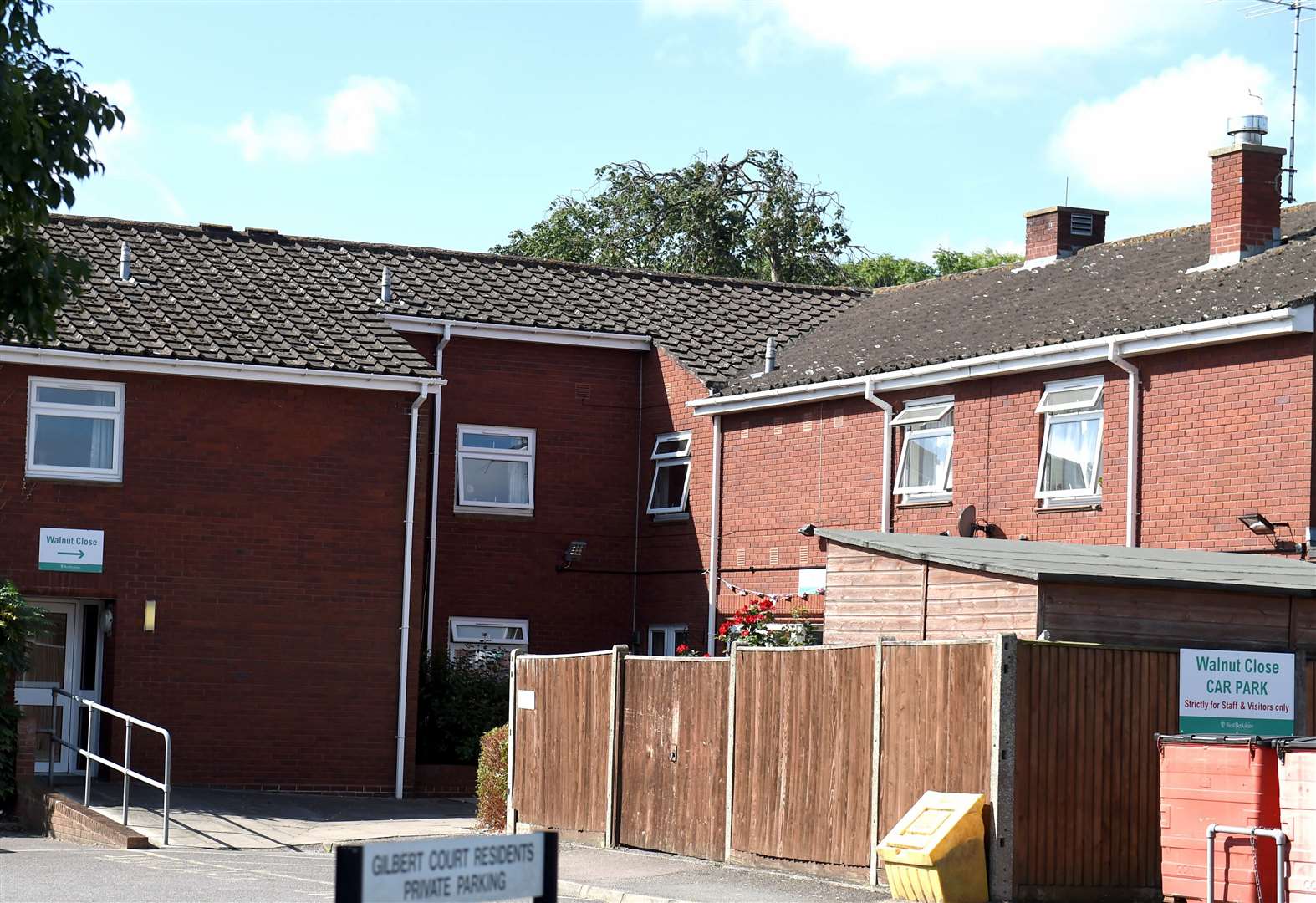
At the current time the council owns 99 dwellings, including Walnut Close (above).