
Zorevunersen Trial Seizure Reduction Dravet Syndrome
A new experimental treatment could help children with a rare and severe form of epilepsy “lead much healthier and happier lives”, according to researchers.
It comes as an early trial of the drug zorevunersen found that it slashed the number of seizures dramatically in youngsters with Dravet syndrome.
Experts also believe the treatment shows promise in reducing the impact of issues with mental processes and behaviour associated with the condition.
One woman from Yorkshire, whose son has taken part in the trial, said it has “completely changed” their lives.
Dravet syndrome is a rare genetic disorder that begins with seizures in the first year of life and evolves into treatment-resistant epilepsy.
It impacts around one in 15,000 births in the UK.
Patients usually also have problems with speech and feeding, as well as intellectual disabilities and developmental delays.
The trial, led by University College London (UCL) and Great Ormond Street Hospital (Gosh), included 81 children aged two to 18 with Dravet syndrome in the UK and US.
Prior to the study, patients had an average of 17 seizures per month.
Children were either given a single dose of between 10mg and 70mg of zorevunersen – which was administered using a lumbar puncture – or were given doses of between 20mg and 70mg two or three times over a three-month period.
Zorevunersen helps to tackle the underlying cause of Dravet syndrome, which is a faulty gene.
People usually have two copies of the SCN1A gene, but in those with Dravet syndrome, one copy does not produce enough of a protein for their nerve cells to function properly.
The drug works by binding to messenger RNA to increase the production of this protein from the healthy gene to restore crucial levels.
Some 75 patients were eligible for an extension study and continued to have 45mg of the drug every four months.
Researchers found that youngsters who were given 70mg of zorevunersenin in the first part of the trial – either in one, two or three doses – saw a reduction in seizures of between 59% and 91% over the first 20 months of the extension studies.
Lead author Helen Cross, director and professor of childhood epilepsy at the UCL Institute of Child Health, and an honorary consultant in paediatric neurology at Gosh, said: “I regularly see patients with hard-to-treat genetic epilepsies with impacts that go beyond seizures and it’s heartbreaking when treatment options are limited.
“This new treatment could help children with Dravet syndrome lead much healthier and happier lives.”
Some 19 children in the trial were patients at UK hospitals, including Gosh, Sheffield Children’s Hospital, Evelina London Children’s Hospital and The Royal Hospital for Children in Glasgow.
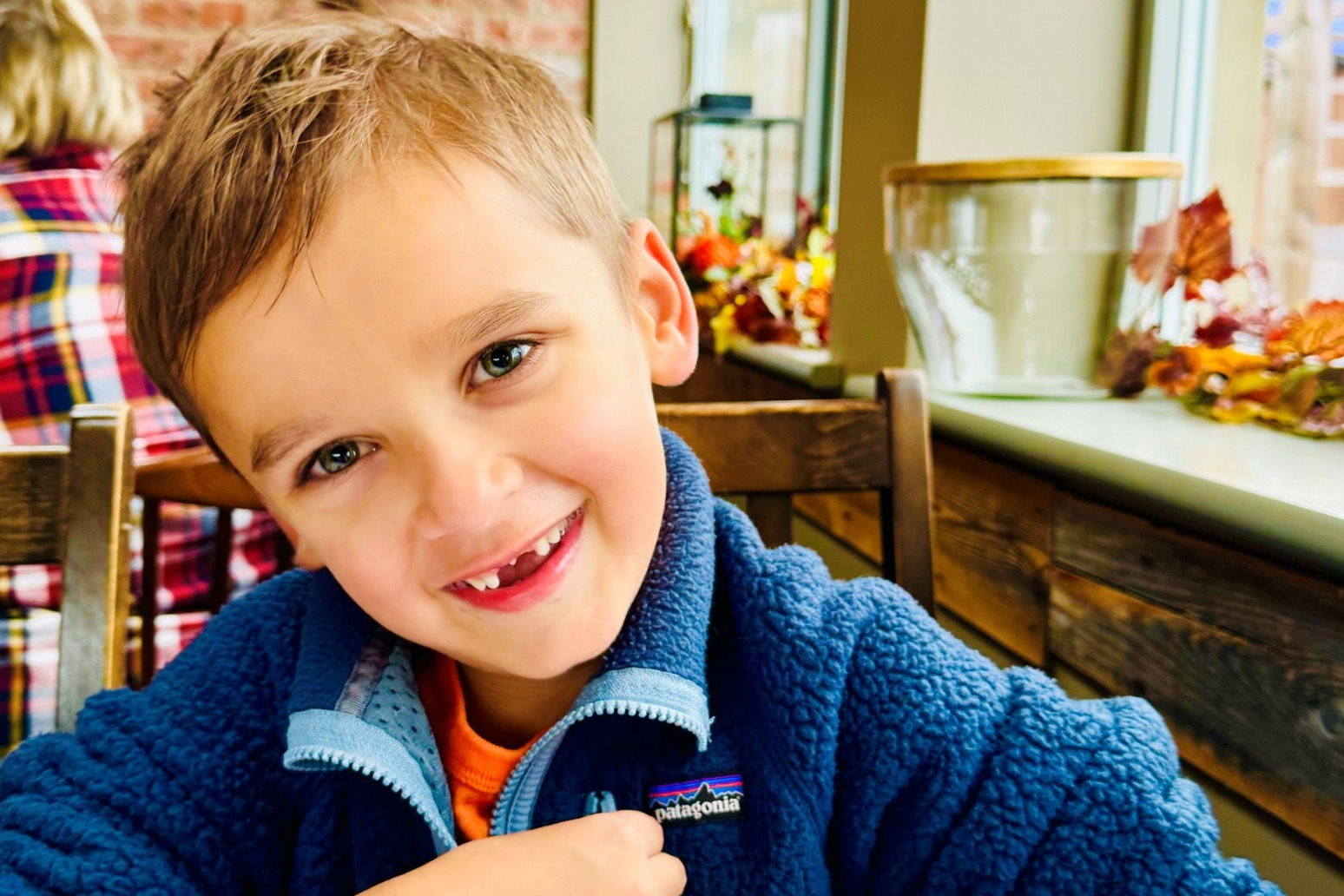
Freddie Truelove, eight, from Huddersfield, started taking zorevunersen in 2021.
He used to have more than a dozen seizures a night and now has one or two, lasting just seconds, every three to five days.
His mother, Lauren Truelove, said: “The trial has completely changed our lives.
“We now have a life we didn’t ever think was possible and most importantly, it’s a life that Freddie can enjoy.”
Researchers said the findings, published in the New England Journal of Medicine, “support the continued development of zorevunersen as a potential disease-modifying treatment for Dravet syndrome”.
The trial also found that “most adverse events were mild or moderate”, with the most common being post–lumbar puncture syndrome, which can cause headaches.
Prof Cross added: “Overall, our findings showed that zorevunersen is safe to use and well tolerated by most patients and supports further evaluation in the ongoing phase three study.”
Galia Wilson, chairwoman of trustees at Dravet Syndrome UK, said: “We regularly see the devastating impact that this condition has on the lives of families.
“That’s why we’re so thrilled about these latest results from the initial zorevunersen clinical trials.
“We’re now looking forward to the phase three clinical trials taking place to see if the early promise we see here will translate into real hope for all those families currently affected by Dravet syndrome.”
Published: by Radio NewsHub