
National Trust Gardens See Unusually Early Spring Blooms After Mild Weather
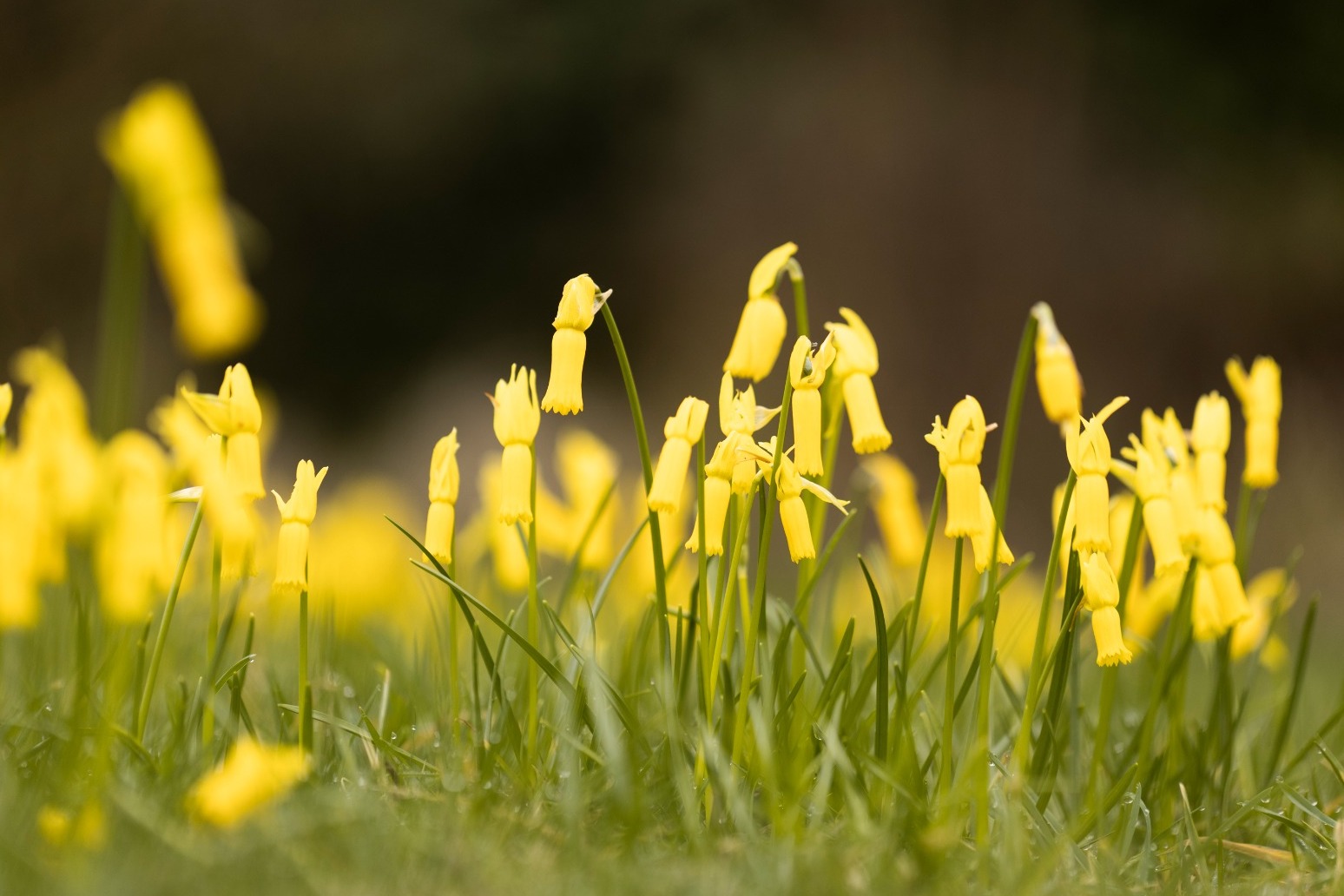
Despite a battering from extreme weather this year, many National Trust gardens are reporting surprisingly early spring blooms.
The first blossoms are likely triggered by the unusually mild temperatures of recent days.
In early January, Storm Goretti tore through the south-west of England, particularly Cornwall, causing extensive damage including toppling and damaging many thousands of trees at National Trust gardens and estates.
But just over six weeks after the devastating storm, welcome splashes of significantly early colour are appearing as the clean-up continues.
The unseasonably mild day and night temperatures – London reached 18.7C on Wednesday – are likely prompting the race towards spring, and the mild days are forecast to continue into next week.
At Buckland Abbey in Devon, the magnolia x soulangeana – one of various veteran magnolias in the grounds – is producing its large, goblet-shaped blooms some four weeks earlier than usual. Many camellias are also well ahead of schedule.
Head gardener Dave Bouch said above-average temperatures are likely to be behind the surprise displays.
“We’ve seen mild overnight temperatures of almost double digits, helped by heavy cloud. A late frost could do damage but there’s no sign of that on the horizon,” Mr Bouch said.
“Traditionally spring is typically short in terms of the blooming season. But if the temperatures cool, we’ll see prolonged displays of up to three months, with camellias and daffodils likely to flower longer.”
At Knightshayes, near Tiverton in Devon, most of the camellias are flowering, the magnolias are in bud and bluebell flower spikes are already “sneaking out”.
Senior gardener John Ridgley said the plants have been coming into growth or flower earlier for many years.
“This trend has been happening for quite some time now, but the effects of the previous summer combined with the following winter period seem to accentuate it,” he said.
“As we have just experienced, last year’s warm, dry summer followed by a prolonged wet, mild winter seems to confuse some plants into either early flowering or very little flowers at all.
“Our snowdrops were actively in growth long before Christmas and while we would always expect to see a few from around that time, we also had some peeking through from the beginning of December.
“The same is true of the very early daffodils – some blooms can appear on or around Christmas, but I think I saw the first bud in the last few days of November.”
Lanhydrock, near Bodmin, has also seen an early start from some plants in its late Victorian formal garden.
Adam Carveth, head gardener for Trelissick, Glendurgan and Trerice in Cornwall, shares a similar picture.
“We’ve had camellias out a month early – ‘winton’ flowered almost two months early and scented camellia transnokoensis started flowering for us at the beginning of December and has barely stopped at Trelissick and Glendurgan,” he said.
“Particularly surprising has been the flowering of buddleja macrostachya, which would be expected to flower from July.
“I think it is a combination of varying factors, but most likely is that the constant rain with mild temperatures is coaxing the blooms out.
“If we go straight into a dry, warm period then things will go over quickly, but in the current climate, there are a lot of unknowns.”
The pace of spring is also being felt in other parts of the country.
At Dyffryn, near Cardiff, delicate apricot blossoms are appearing in the Walled Garden, one to two weeks early.
Numerous trees and bulbs are flowering at least two weeks early at Mottisfont in Hampshire and at Hinton Ampner near Alresford, daphne, magnolia, Japanese quince and camellias are all starting to bloom.
Published: by Radio NewsHub