
Creating Wetlands Can Help Make UK Climate Ready In Face Of Rising Risk
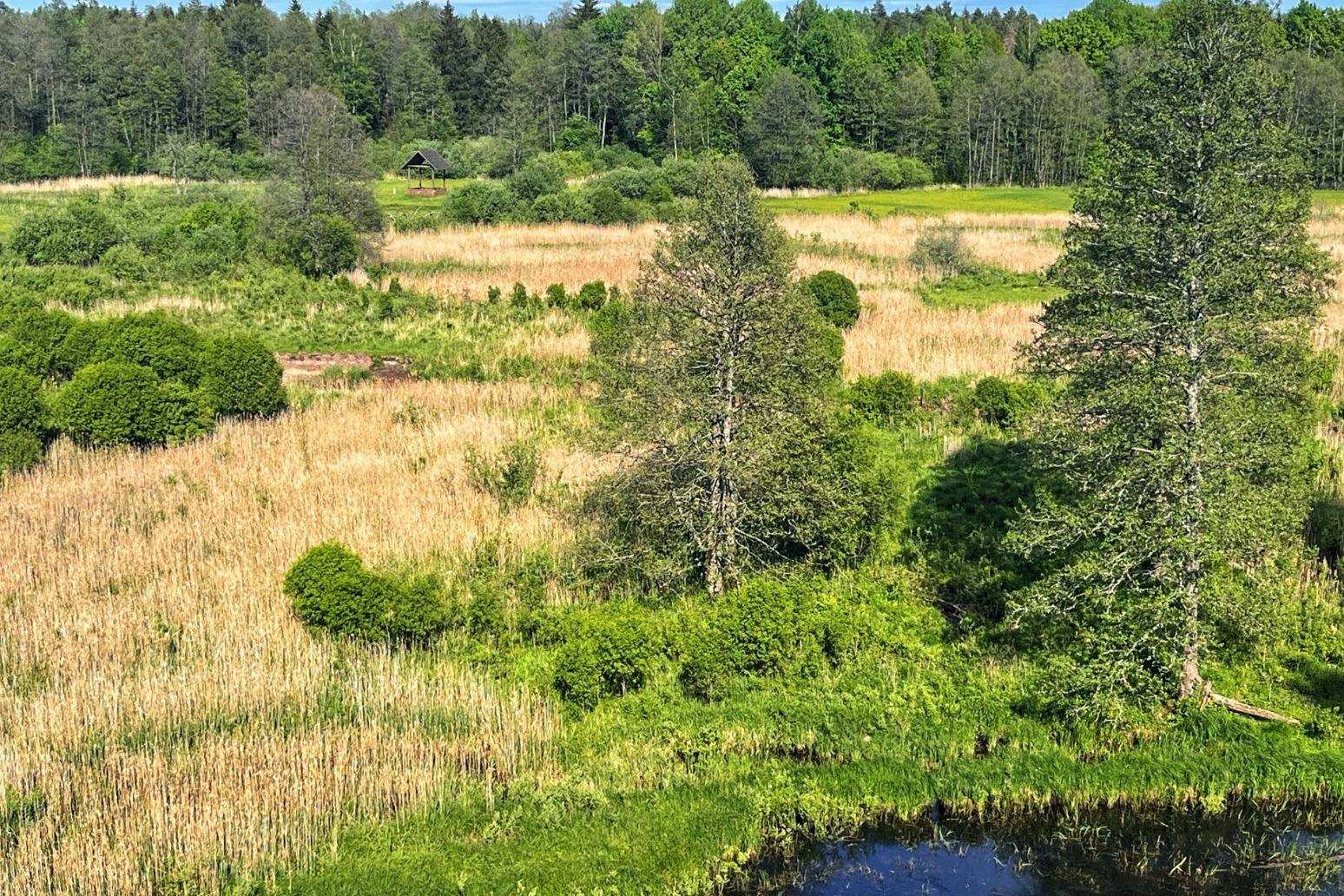
Low-cost natural solutions such as creating wetlands are needed to help make the UK “climate ready” to cope with increasingly extreme weather, a leading insurer has said.
The call comes in the face of the “massive impact” for the insurance industry of worsening floods, heat, fire and drought, pushing up risks so it becomes harder to insure – to the point some places in the world are now uninsurable.
Aviva’s chief sustainability officer Claudine Blamey says a key part of making British communities more resilient to this rising risk are “nature-based solutions”, such as creating wetlands and natural features to catch and reduce flood waters.
One such scheme in Norfolk, a series of small-scale and low-cost interventions to curb flooding in three villages, has provided a 17:1 return on investment, Aviva said.
There is also a need for stronger regulation to prevent houses being built in flood-risk areas, Ms Blamey said.
Research has shown one in 13 new homes was built in flood risk areas in the decade up to 2022, but the latest analysis by Aviva suggests that figure has risen to one in nine.
And there needs to be support for families to “build back better” from flooding events so their homes are more resilient, Ms Blamey urged.
Climate risks, ranging from flooding to subsidence and overheating – which causes health issues, are on the rise.
“Given that kind of background, you can see that has a massive impact for the insurance sector,” she told the Press Association.
“Because the risk is rising, you could say it becomes more and more difficult to insure in those circumstances,” adding that parts of the US such as California and Florida are already uninsurable.
Asked if there was a risk that from an insurance point of view some areas of the UK could become unviable, as they have in parts of the US, she said: “I think it is happening.”
She said the Government needed to strengthen the Flood Re scheme that keeps flood insurance affordable for properties at highest risk of flooding.
More broadly, it is about “helping the UK get climate ready”, she said, with a range of measures including regulatory changes.
“We need to make sure we’re not building in flood risk areas. We need to make sure what we are building are resilient to climate risks,” Ms Blamey said.
“We also need to build flood resilience, and nature-based solutions offer a really nice low-cost option for that.
“And they’re not just only good for flood risk, but also they’re great places to visit, they’re good for health, they’re good for biodiversity increasing.”
Aviva has launched the FloodAction Coalition alongside the Conduit, to bring together landowners, policymakers, banks, insurers and infrastructure companies to use nature-based solutions to mitigate flood risk across the UK, with the target of making nature an “investable asset class”.
That means finding ways to create a market for nature-based solutions, including wetland restoration, “leaky dams” that slow the flow of water and catchment rewetting to reduce flooding, which deliver financial, social and environmental returns.
Ms Blamey said: “Wetlands are really interesting environments, because they’re quite easy to create, they grow quickly – much quicker than a woodland – and they sequester carbon quite quickly.
“So they become a really nice, not very expensive solution to some of this,” she said.
FloodAction aims to blend public and private finance that deliver returns, help insurers reduce risk and keep insurance affordable, and help infrastructure owners cut exposure to climate risks and their costs.
The project in Norfolk was backed by WWF and Aviva and delivered by Norfolk Rivers Trust at three sites in the county, Gissing, Hempnall and Edgefield, installing flood relief channels and leaky dams, planting hedgerows and replacing culverts.
The £43,000 scheme has helped protect 24 homes in surrounding villages from flooding, delivering a 17:1 rate of return on the investment from the cost of restoring flood-damaged homes, Aviva said.
In another scheme backed by a £21 million donation from the insurer, the Wildfowl and Wetlands Trust aims to restore saltmarsh on low-lying and increasingly flood-prone land on the Awre peninsula, on the tidal Severn in Gloucestershire, to create a haven for wildlife and improve flood resilience.
Where homes do get flooded, Ms Blamey said, “we need to build back better, in ways that are more resilient,” such as putting plugs higher up on the wall, which will help from a claims perspective if they get flooded again.
She said it would be good if homeowners were “really open” to building back better, and there was a role for Government to educate people more widely about flood risks.
And building regulations needed to take climate risks into account, so they tackled issues such as overheating, she added.
Published: by Radio NewsHub