
Newbury and Reading constituencies could be among hardest hit in council tax review
Cash-strapped West Berkshire Council is steadying itself for the Government’s fair funding review, due in the next few weeks, which could see wealthier authorities take a hit.
“My biggest concern is concern is distribution,” says council leader Jeff Brooks (Lib Dem, Thatcham West).
“We are a low deprivation area and the money often heads for areas of high deprivation.
“But we have particular pressures with adult social care and children’s care, and they are not linked to deprivation as people might think.”
There is also concern among politicians that the review, which gives councils the budgets they can spend, is expected to also lift the limit on council tax rises.
Currently, councils are limited to a 4.99 per cent annual rise in council tax, which West Berkshire has maintained.
Although other councils have asked for special dispensation from Government to increase this to cover costs.
Earlier this year, the Government let six English councils with responsibility for social care increase council tax rates by more than national limits.
Birmingham, Bradford, Newham, Somerset, Trafford and Windsor and Maidenhead all increased levies by more than the other 147 social services authorities.
Bradford raised council tax by 9.99 per cent, Newham and Windsor and Maidenhead by 8.99 per cent, and Birmingham, Somerset and Trafford by 7.49 per cent.
All those councils were/are in receipt of emergency funding from the Govnernment, as West Berkshire Council is this year – to the tune of £16m.
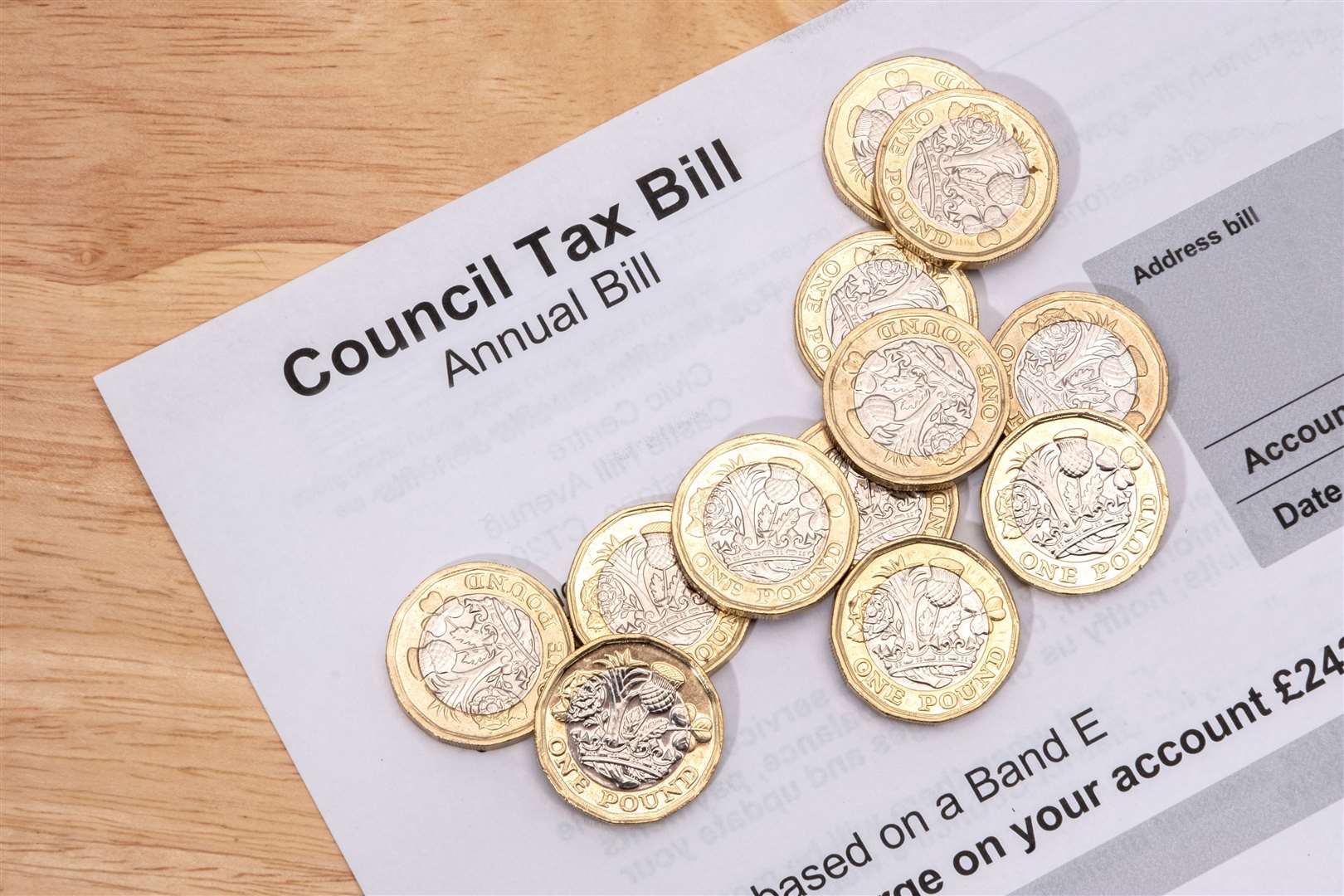
Council tax is one of the biggest outgoings for many households – so reports of a shake-up that could add thousands to some annual bills are causing concern.
After holding back on increases to income tax in the budget, Chancellor Rachel Reeves is expected to rely on several smaller tax-raising measures to repair the public finances.
Of the ideas still on the table, one is some form of ‘mansion tax’ that gets the owners of expensive homes in England to pay more.
A number of scenarios have emerged and one doubles council tax on properties in England’s top two bands (G and H).
A concern to the wealthy and high bracket home owners in West Berkshire, which is one of the least deprived areas of the UK.
Another involves revaluing homes in the three highest tiers (F, G and H) and applying a surcharge to the top 300,000 by value across these bands.
In Newbury, there are 2,470 homes in this bracket according to the Valuation Office Agency.
In Reading West and Mid Berkshire – a Labour constituency – there are 3,390.
The main sources of income for local authorities are government grants, business rates and council tax, with the latter funding about a quarter of total spending on services.
Rates are set locally and it applies to residential properties, and increases in cash terms depend on their council tax band, which are based on property values from 1991.